
Introduction
Modern brands face unprecedented challenges connecting authentically with audiences who demand more than traditional showrooms. The innovations in experience center design revolutionize how companies engage customers through immersive environments blending physical spaces with cutting-edge technology. From augmented reality to AI-powered personalization, these advancements transform passive visitors into active brand advocates.
Experience centers have evolved from simple product showcases into sophisticated brand storytelling platforms. Contemporary approaches incorporate multi-sensory engagement, sustainable materials, interactive technologies, and seamless digital-physical integration. These modern innovations in experience center design create memorable encounters that influence purchase decisions and strengthen brand loyalty.
This guide explores the top five innovations in experience center design driving measurable business success in 2026. You’ll discover how leading global brands implement immersive technologies, personalization strategies, sustainability practices, interactive touchpoints, and hybrid experiences.
TL;DR / Quick Summary
The most impactful innovations in experience center design include immersive AR/VR technologies, AI-powered personalization, sustainable design practices, interactive touchpoints, and hybrid physical-digital integration. These five approaches transform how brands engage audiences by creating memorable, personalized experiences that drive deeper emotional connections and measurable business outcomes.
Through strategic implementation of modern design strategies, brands achieve higher visitor engagement, increased conversion rates, enhanced brand perception, and stronger customer loyalty.
Companies investing in modern customer experience centers report significant improvements in customer satisfaction scores and sales performance.
What you’ll learn:
- Five transformative innovations in experience center design driving business success
- Real-world examples from global brands implementing these approaches
- Strategic approaches for integrating cutting-edge technologies effectively
- Practical guidance for designing experience centers that deliver ROI
Why Are Experience Centers Important for Business Success?
Why every b2b brand needs a customers experience centre? The answer is simple: Experience centers represent strategic investments that deliver measurable business impact across multiple dimensions.
Experience centers compress sales cycles by enabling prospects to interact with products in realistic contexts. B2B buyers evaluate complex offerings through hands-on demonstrations that clarify capabilities immediately. Manufacturing companies demonstrate machinery operations under controlled conditions. Technology providers showcase software integration through live demonstrations. These tangible experiences build confidence that accelerates purchase decisions. The latest innovations in experience center design enable companies to create these compelling demonstrations significantly.
Modern consumers make purchasing decisions based on emotional connections as much as functional requirements.
There are a lot of examples of unique customer experience centres that create environments where brands tell authentic stories that resonate with audience values.
Through carefully designed spatial narratives, companies communicate their heritage, innovation capabilities, and customer-centric philosophies. Immersive brand experiences engage visitors emotionally through multi-sensory design elements. Visual storytelling conveys brand heritage through timeline displays. Tactile interactions demonstrate quality craftsmanship. These layered sensory experiences leveraging innovations in experience center design create lasting impressions.
Experience centers attract pre-qualified prospects who invest time visiting physical locations specifically to evaluate offerings. Visitor data captured through interactions provides valuable insights into prospect interests and decision-making processes.
There are a lot of customer experience centre design benefits. These dedicated environments educate customers through structured programs combining presentations, demonstrations, and expert consultations.
How Experience Centers Are Transforming Modern Interior Design
Contemporary experience center interior design breaks from conventional commercial space planning by prioritizing visitor engagement and brand storytelling.
These Customer experience centre architecture blur boundaries between retail environments, museums, and theaters to create unique branded destinations.
Modern approaches organize spaces around narrative journeys guiding visitors through carefully sequenced brand stories. Entry zones establish context and build anticipation. Themed areas address specific value propositions. Consultation spaces facilitate personalized conversations. This narrative structure incorporating innovations in experience center design ensures visitors encounter information in logical sequences building understanding progressively.
Leading design strategies incorporate modular systems enabling regular content updates without extensive renovations. Reconfigurable display walls accommodate evolving product lines. Movable partitions create variable space configurations for different event types. This flexibility proves essential for brands launching products frequently. These adaptable innovations in experience center design serve diverse customer segments requiring customized experiences.
Sustainable experience design increasingly incorporates biophilic principles connecting visitors with nature through living walls, natural materials, and abundant daylight. Natural light strategies minimize artificial lighting while creating dynamic environments that change throughout the day. Living plant installations improve air quality while adding visual interest. These biophilic elements distinguish experience centers from sterile commercial environments. Such environmental innovations in experience center design create authentic connections.
Top 5 Innovations in Experience Center Design That Drive Business Success
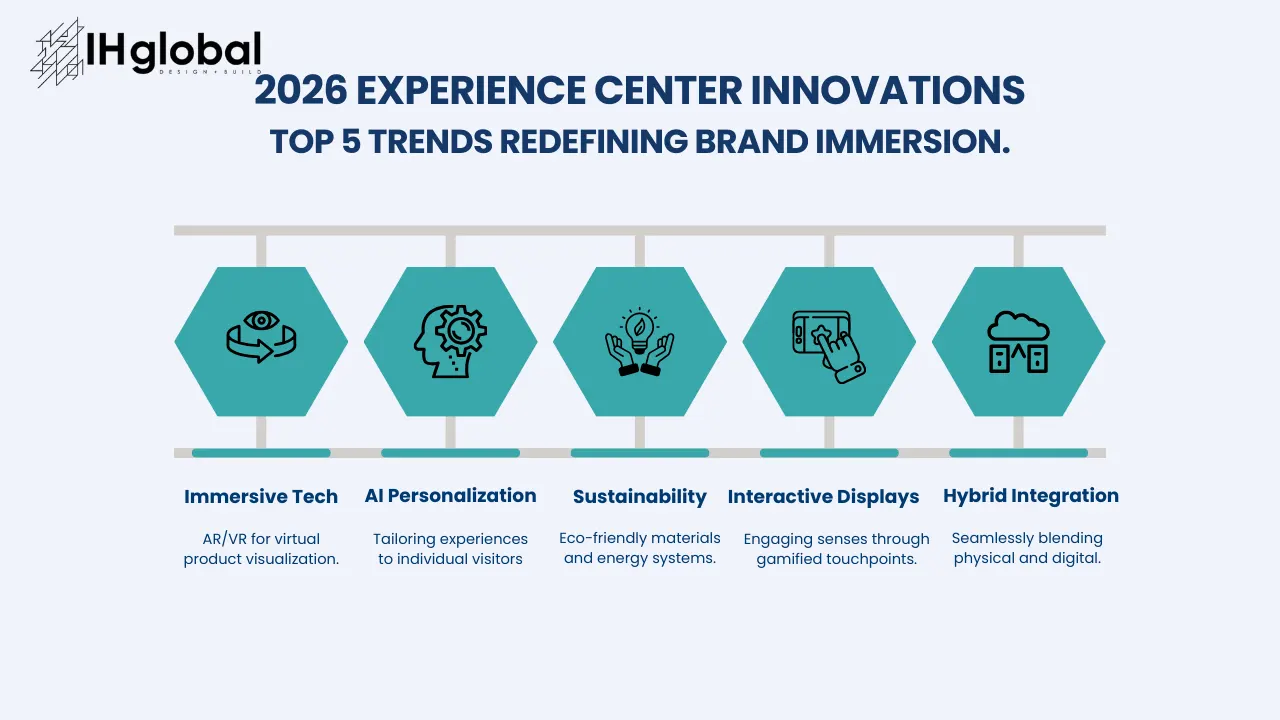
1. Immersive Digital Technologies: The Power of AR and VR
AR and VR in experience centers represent transformative approaches that overcome physical space limitations while creating impossible experiences. Augmented reality overlays digital information onto physical environments, enhancing product demonstrations with specifications and configuration options. Virtual reality transports visitors into fully immersive digital environments. These technological innovations in experience center design showcase products in contexts impossible to replicate physically.
These technological innovations in experience center design enable visualization of products that are too large, expensive, or impractical to display physically in showroom settings.
The main role of Technology in experience centers is to enable comprehensive product showcases without massive facility footprints.
Automotive brands showcase entire vehicle lineups without requiring vast showroom spaces. Real estate developers present unbuilt properties through immersive virtual tours allowing prospective buyers to explore floor plans and finishes. Industrial equipment manufacturers demonstrate massive machinery operations without safety risks or space requirements.
Interactive AR applications allow visitors to customize products virtually and visualize personalization options immediately. Furniture retailers enable room planning with virtual product placement. Fashion brands offer virtual try-on experiences. Kitchen suppliers let customers visualize different cabinet configurations and appliance placements within their actual room layouts. These capabilities powered by innovations in experience center design empower customers to explore comprehensive options before committing to purchases.
Real-Time Example: Audi City Showrooms
Audi City revolutionizes automotive retail through compact urban showrooms displaying only one or two physical vehicles while showcasing the complete product line through immersive digital experiences powered by innovations in experience center design. Large-scale projection walls enable customers to configure vehicles by selecting colors, wheels, interior materials, and optional equipment while viewing changes in real-time at full scale.
The digital approach reduces facility costs dramatically while improving customer engagement compared to traditional dealerships. Customers spend more time actively designing their ideal vehicles rather than passively viewing limited stock. This format demonstrates how technologies overcome physical constraints. These strategic innovations in experience center design enhance visitor experiences while reducing operational expenses.
2. AI-Powered Personalization for Tailored User Experiences
AI-driven customer experiences represent groundbreaking approaches that customize content and interactions based on individual visitor characteristics, preferences, and behaviors. Artificial intelligence analyzes visitor data to deliver personalized product recommendations, customized demonstrations, and tailored information. These smart innovations in experience center design address specific interests while improving engagement effectiveness dramatically.
These smart innovations in experience center design enable intelligent systems to recognize returning visitors and recall previous interactions, creating valuable continuity across multiple visits. Preference engines learn from visitor behavior patterns to refine recommendations progressively. Predictive analytics identify likely interests before visitors explicitly express them. This personalization creates relevance that dramatically improves engagement effectiveness.
Conversational AI interfaces provide natural language interactions guiding visitors through complex information landscapes. Virtual assistants answer questions conversationally while directing visitors to relevant content areas. Chatbots qualify visitor requirements and schedule appropriate demonstrations automatically. These intelligent interfaces leveraging innovations in experience center design ensure visitors access information efficiently without requiring extensive human staff intervention.
Real-Time Example: Nike House of Innovation
Nike House of Innovation locations implement sophisticated AI-driven experiences through mobile apps that personalize shopping journeys based on individual preferences, purchase history, and membership status. The app guides customers to products matching their interests, provides instant access to different sizes, and enables seamless checkout without traditional registers.
Digital mannequins respond to customer proximity by displaying relevant product information and styling suggestions on adjacent screens. Interactive mirrors in fitting rooms enable customers to request different sizes without leaving the space. The technology creates frictionless experiences while gathering valuable data about customer preferences informing inventory and merchandising decisions through innovations in experience center design.
3. Sustainable and Eco-Friendly Experience Center Design
Sustainable experience design addresses growing consumer expectations that brands demonstrate authentic environmental commitments through facility operations and material selections. Modern approaches incorporate renewable energy systems, recycled materials, water conservation technologies, and circular design principles. Environmental innovations in experience center design minimize environmental impact while communicating brand values effectively to conscious consumers.
Environmental innovations in experience center design emphasize low-VOC finishes, FSC-certified woods, recycled metals, and natural fibers reducing chemical emissions and environmental footprint. Modular construction systems enable component reuse when facilities undergo renovations and facilitate recycling at end-of-life. Local material sourcing reduces transportation emissions while supporting regional economies.
Energy-efficient systems including LED lighting, smart HVAC controls, and solar power generation reduce operational costs while minimizing carbon footprint. Daylighting strategies decrease artificial lighting requirements. Natural ventilation reduces cooling demands. Real-time energy monitoring displays make sustainability performance visible to visitors, reinforcing environmental messaging authentically.
Real-Time Example: Patagonia Environmental Experience Center
Patagonia’s Environmental Experience Centers embody sustainable design through facilities constructed from reclaimed materials, powered by renewable energy, and designed for minimal environmental impact. These spaces showcase the company’s environmental initiatives, repair programs, and clothing recycling systems while educating visitors about sustainable practices.
The physical spaces demonstrate circular economy principles through visible material reuse, composting systems, and water reclamation. Educational displays explain supply chain sustainability efforts and material innovation programs. This authentic integration of sustainability strengthens brand credibility while inspiring visitors to embrace sustainable lifestyles aligned with brand values through thoughtful innovations in experience center design.
4. Interactive Touchpoints to Enhance Visitor Engagement
Interactive experience design incorporates multiple engagement points that transform passive viewing into active participation. Touchscreen displays, interactive projections, gesture-controlled interfaces, and haptic feedback systems invite visitors to explore content, customize products, and engage with brand stories through direct manipulation.
Gamification is a core element of an unforgettable customer experience centre which adds entertainment value while communicating product benefits through innovations in experience center design.
Interactive challenges demonstrate product capabilities engagingly. Competitive leaderboards encourage social sharing and repeat visits. Achievement systems reward exploration thoroughness. These game mechanics increase engagement duration and information retention significantly compared to static displays.
Multi-sensory experience design extends beyond visual and auditory elements to incorporate tactile, olfactory, and gustatory experiences. Material sample libraries invite physical interaction. Scent marketing reinforces brand identity subconsciously. Product tastings create memorable sensory associations. This comprehensive sensory engagement powered by innovations in experience center design creates stronger memory encoding influencing future purchase decisions.
Collaborative interaction stations enable group participation encouraging social interaction and discussion. Design configuration tools allow families or teams to collaborate on customization decisions. Interactive presentations facilitate workshop-style learning. This collaborative engagement creates shared experiences that strengthen emotional connections to brands.
Real-Time Example: Samsung KX
Samsung KX in London exemplifies interactive design through a five-story facility offering dozens of hands-on technology experiences. Visitors test smartphones through photography challenges, experience VR content, experiment with smart home technologies, and participate in creative workshops using Samsung devices.
The approach emphasizes active learning through doing rather than passive product viewing. Visitors leave with concrete understanding of how Samsung technologies enhance their lives rather than abstract feature awareness. The highly interactive format drives social media sharing as visitors photograph experiences, extending brand reach beyond physical visitors through effective innovations in experience center design.
5. Hybrid Physical–Digital Experience Integration
Hybrid experience spaces represent cutting-edge approaches that seamlessly blend physical environments with digital content, creating unified experiences leveraging the strengths of both domains. Physical spaces provide tangible product interaction and authentic brand atmosphere while digital elements deliver dynamic content, infinite product selection, and personalized information.
Advanced innovations in experience center design transform digital walls into dynamic content platforms updating instantly with new products, campaigns, and customer testimonials. Transparent displays integrate digital information directly into physical environments without visual barriers. Holographic projections create three-dimensional visualizations floating in physical space. These technologies erase boundaries between physical and digital realms.
Mobile integration enables visitors to control experiences through personal devices while accessing supplementary information enriching physical encounters. Smartphone apps unlock additional content through beacon triggers as visitors move through spaces. Personal devices save configurations and preferences for later reference. Cloud connectivity ensures content consistency across multiple locations while enabling centralized updates keeping all facilities current simultaneously.
Real-Time Example: Microsoft Experience Center
Microsoft Experience Centers demonstrate hybrid spaces through facilities balancing physical product displays with extensive digital content delivery. Interactive walls showcase software capabilities through engaging demonstrations while physical devices enable hands-on evaluation. Mixed reality experiences allow visitors to visualize how Microsoft technologies integrate into their environments.
The centers serve as both customer engagement venues and employee collaboration spaces, demonstrating hybrid work concepts through actual practice. Physical meeting rooms integrate cloud-based collaboration tools seamlessly. This living demonstration makes abstract concepts tangible for enterprise customers evaluating digital transformation strategies through practical innovations in experience center design.
What These Innovations Mean for the Future
Future experience centers will function increasingly as technology showcases, education platforms, community gathering spaces, and data collection centers rather than simple product display venues. Artificial intelligence will enable sophisticated personalization that adapts experiences dynamically based on real-time visitor behavior analysis. The convergence of these approaches signals the future of customer experience centres and fundamental shifts in how brands engage audiences.
Sustainability will transition from optional enhancement to baseline expectation as consumers demand authentic environmental responsibility from brands through transparent actions. Net-zero energy facilities will become standard rather than exceptional achievements. Circular design principles will govern material selections comprehensively.
Physical-digital integration will deepen until distinctions become irrelevant to visitor experiences. Augmented reality will overlay digital information throughout physical spaces seamlessly. Physical products will trigger digital experiences automatically. Cloud connectivity will enable seamless transitions between physical and digital engagement. Future innovations in experience center design will maintain relationship continuity through sophisticated integration approaches.
How Brands Can Implement These Experience Center Innovations
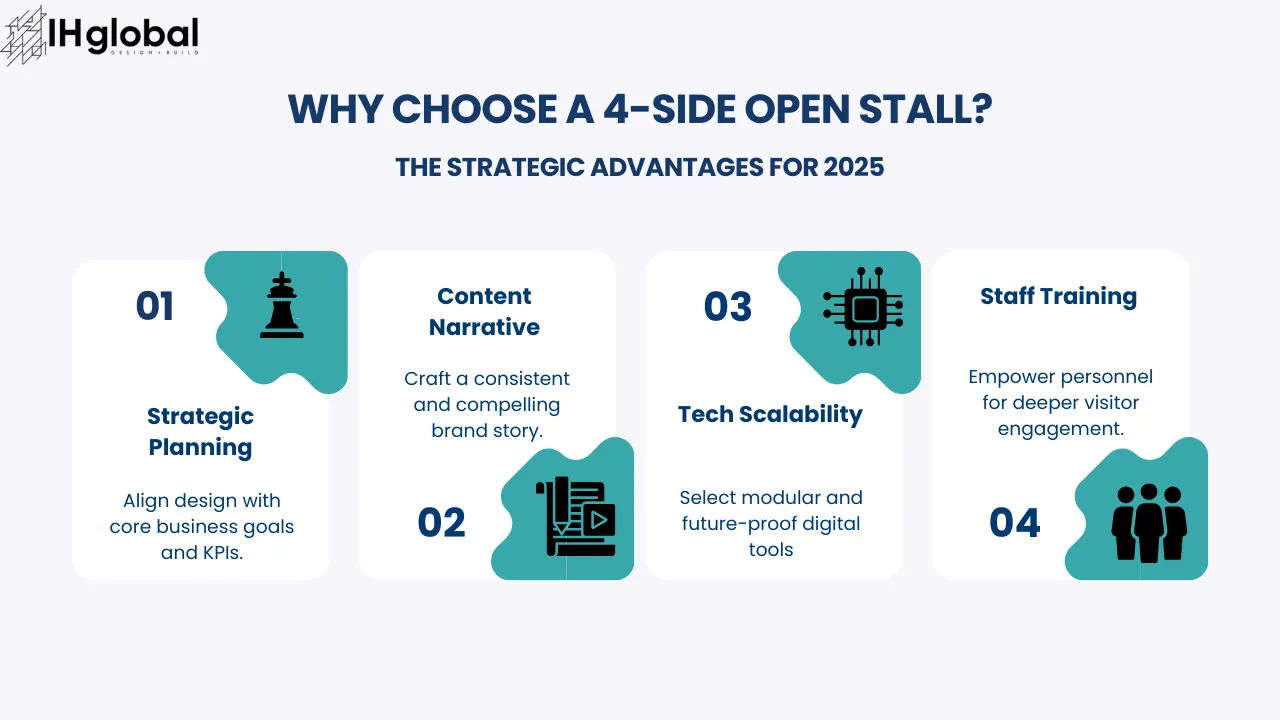
Strategic Planning and Partner Selection
Successful implementation of innovations in experience center design begins with clear objective definition aligned with broader business strategies and organizational capabilities.
Companies must identify specific outcomes they expect including lead generation targets, sales conversion goals, and brand awareness metrics, and its very important to understand how to create the best experience centre strategies.
Audience analysis determines which approaches deliver maximum impact for target demographics. Technology-savvy audiences expect AR/VR experiences and mobile integration as baseline capabilities. Enterprise B2B buyers value detailed product demonstrations and expert consultations. Environmentally conscious consumers respond positively to authentic sustainability implementations with transparent documentation.
Budget allocation requires balancing initial capital investments against ongoing operational costs and anticipated returns over realistic timeframes. Immersive technologies demand significant upfront investments but create differentiated experiences justifying premium positioning. AI personalization requires ongoing data infrastructure and maintenance costs. Sustainable design may increase construction costs while reducing operational expenses long-term.
Implementing advanced technologies successfully requires partnerships with specialized vendors possessing deep expertise in immersive technologies, AI platforms, interactive systems, and content management solutions.
Vendor evaluation should assess technical capabilities, industry experience, support quality, and solution scalability for future. Here’s a step by step guide on building a customer experience centre if you are planning to build one in the near future.
Integration complexity necessitates selecting experienced partners with unified platform approaches rather than disparate point solutions requiring extensive custom integration work creating technical risks.
Content Strategy and Staff Training
Compelling digital experience design requires ongoing content creation investments that keep experience centers fresh and relevant over extended operational periods.
Storytelling frameworks ensure consistent brand narrative across all experience center elements creating cohesive impressions. Core brand messages should thread consistently through physical design, digital content, staff interactions, and take-home materials. Strategic innovations in experience center design create coherent experiences that effectively communicate brand value propositions memorably to all visitors.
Technology-rich environments require staff capable of operating sophisticated systems confidently while delivering human connections technology cannot replicate. Training programs should develop both technical competencies and interpersonal skills blending technological capabilities with genuine hospitality. Effective innovations in experience center design require well-trained staff who understand both technology and customer service excellence.
Conclusion
The innovations in experience center design explored throughout this guide represent powerful strategies for brands seeking meaningful connections with audiences in increasingly digital markets. From immersive AR and VR technologies to AI-powered personalization, sustainable design practices, interactive touchpoints, and hybrid physical-digital integration, these approaches transform how companies engage customers and drive measurable business outcomes.
Leading global brands including Audi, Nike, Patagonia, Samsung, and Microsoft demonstrate how strategic implementation of innovations in experience center design creates competitive advantages through differentiated visitor experiences that accelerate sales cycles, strengthen brand loyalty, and generate valuable customer insights.
These real-world examples prove that investments in modern design deliver substantial returns through improved conversion rates, enhanced brand perception, and deeper customer relationships.
As technology continues advancing and consumer expectations evolve, experience centers will play increasingly critical roles in brand strategies.
Companies that embrace these modern approaches position themselves to thrive in markets where authentic connections differentiate winners from competitors.
The future belongs to brands creating physical environments that engage visitors emotionally, educate them comprehensively, and inspire them to become passionate brand advocates through strategic implementation of cutting-edge innovations in experience center design.
Frequently Asked Questions
1. What is an experience center?
An experience center is a dedicated physical space where brands create immersive environments enabling visitors to interact with products, services, and brand stories through carefully designed multi-sensory experiences. These facilities combine product demonstrations, interactive technologies, educational content, and hospitality to create memorable brand encounters that influence purchase decisions and build emotional connections.
2. How do AR and VR enhance visitor engagement in experience centers?
AR and VR technologies enhance visitor engagement by enabling product visualization impossible through physical displays alone, allowing virtual customization and configuration, creating immersive storytelling experiences, and overcoming space limitations while showcasing comprehensive product ranges. These technologies transform passive viewing into active exploration, increasing engagement duration and information retention significantly.
3. Why is sustainability important in experience center design?
Sustainability demonstrates authentic brand commitment to environmental responsibility, which increasingly influences consumer preferences and purchase decisions. Sustainable design reduces operational costs through energy efficiency, strengthens brand reputation among environmentally conscious audiences, differentiates brands from competitors, and ensures facilities align with corporate environmental commitments that stakeholders expect companies to demonstrate tangibly.
4. What role does AI play in experience centers?
AI personalizes visitor experiences by analyzing preferences and behaviors to deliver customized content recommendations, provides conversational interfaces enabling natural language interaction, automates routine visitor assistance freeing staff for complex interactions, predicts visitor interests enabling proactive engagement, and generates insights from visitor data that inform product development and marketing strategies.
5. What are hybrid physical-digital experiences in experience centers?
Hybrid physical-digital experiences seamlessly blend tangible product interactions with digital content delivery, creating unified environments that leverage physical authenticity alongside digital flexibility, scalability, and dynamic content capabilities. These experiences use technologies including interactive displays, mobile integration, cloud connectivity, and mixed reality to erase boundaries between physical and digital domains.
6. How do experience centers help businesses drive sales and brand loyalty?
Experience centers accelerate sales by enabling hands-on product evaluation, compress decision-making cycles through immediate question resolution, generate qualified leads through visitor self-selection, build emotional brand connections through immersive storytelling, educate customers comprehensively improving satisfaction and lifetime value, and create memorable experiences that strengthen brand preference and loyalty.
7. What industries benefit most from experience center design?
Industries with complex products requiring demonstration benefit significantly including automotive, technology, industrial equipment, luxury goods, real estate, financial services, healthcare, and B2B manufacturing. Any industry where products justify travel for evaluation, require extensive education, involve significant investment, or depend on experiential differentiation benefits from strategic experience center investments.
8. What elements make an experience center successful?
Successful experience centers combine clear objectives aligned with business strategy, compelling storytelling that communicates brand value authentically, appropriate technology integration enhancing rather than overwhelming experiences, knowledgeable staff providing expert guidance, flexible design accommodating content evolution, comprehensive visitor journey planning, and systematic measurement enabling continuous improvement based on performance data.
9. Can an experience center be integrated within an office space?
Yes, experience centers can integrate effectively within office environments, serving dual purposes as customer engagement venues and employee collaboration spaces. This integration demonstrates products in authentic use contexts, reduces facility costs by sharing infrastructure, enables customer interactions with product development teams, and creates opportunities for employees to observe customer reactions firsthand, informing product improvements.
10. How can a brand choose the right experience center design partner?
Brands should evaluate design partners based on relevant industry experience, demonstrated capabilities in desired innovation areas, portfolio showcasing successful implementations, strategic approach balancing brand objectives with visitor experience, and commitment to ongoing support ensuring long-term success.