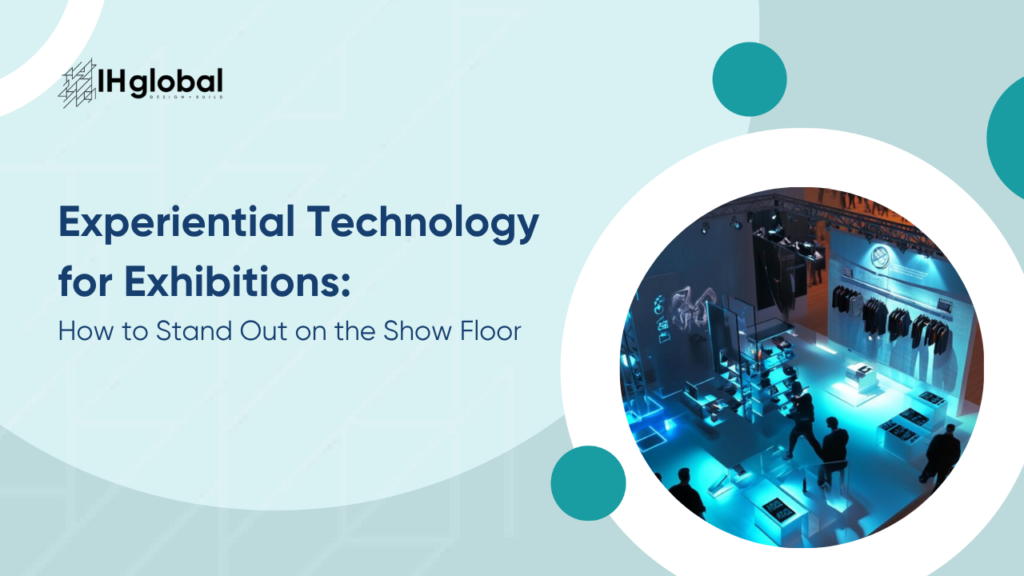
Exhibitions give brands only a few seconds to attract attention. With dozens of competitors, similar booth layouts, and constant movement across the show floor, a static display can easily get overlooked.
Experiential technology for exhibitions gives brands more ways to attract visitors, demonstrate products, and create memorable interactions. From touchscreen displays and LED walls to projection mapping and holographic product displays, technology can turn an exhibition stand into an experience rather than just a space.
The key is choosing technology that supports the brand message instead of adding technology simply for visual impact.
TL;DR
- Experiential technology can help exhibition stands attract attention and encourage meaningful visitor interaction.
- Interactive installations, LED and video walls, projection mapping, and holographic displays suit different exhibition objectives.
- The right technology depends on stand size, audience, content, budget, and the type of visitor experience you want to create.
- Technology works best when it is considered during stand planning rather than added after the design is complete.
- A well-planned combination of physical design and digital experiences can make a stand more engaging without making it unnecessarily complicated.
Why Exhibition Stands Need Experiential Technology
Visitors often move quickly through an exhibition, scanning stands for something that catches their attention. Exhibition stand technology can create movement, interaction, and visual depth that make a booth easier to notice from across the show floor.
Technology can also give visitors a reason to stop. Instead of simply looking at a product or reading a printed panel, they can explore information, interact with content, watch a demonstration, or experience a brand story.
For brands planning a larger experience, experiential technology solutions can combine multiple formats while keeping the experience connected to the overall campaign.
Best Experiential Technology for Exhibition Stands
The right technology depends on what you want visitors to do. Some formats are designed for direct interaction, while others focus primarily on visual impact.
Interactive Installations
Interactive installations allow visitors to actively engage with the brand. Touchscreens, interactive tables, digital product configurators, and responsive displays can turn passive visitors into participants.
These interactive exhibition stand experiences are particularly useful when a brand has complex products, large product ranges, or information that is difficult to communicate through static graphics.
For more specialised experiences, interactive installation design can help connect the technology with the physical stand environment.
LED & Video Walls
LED and video walls create a strong visual presence and can be seen from a distance. They are useful for brand films, product demonstrations, campaign visuals, presentations, and large-format content.
For brands looking for technology exhibition booth ideas, an LED wall can also become the visual centre of the stand without requiring visitors to interact directly with it.
LED and video wall solutions can be adapted to different stand sizes and content requirements.
Projection Mapping
Projection mapping uses projected visuals to transform physical surfaces into dynamic displays. It can be used on walls, structures, products, architectural elements, or custom-built surfaces.
This approach works particularly well when the physical design of the booth is an important part of the experience. Instead of adding another screen, projection mapping makes the existing structure part of the content.
Brands exploring exhibition stand experiential design can also use projection mapping for product reveals, storytelling sequences, demonstrations, and immersive visual presentations. Projection mapping services can help develop the technical and creative setup.
Holographic Product Displays
Holographic displays can give products and campaign visuals a distinctive three-dimensional appearance. They are useful when a brand wants to create a visual focal point or present a product in a format that attracts curiosity.
Holographic displays can be especially effective for products that are difficult to bring physically to an exhibition, such as large machinery, vehicles, technical equipment, or new product concepts.
Holographic display solutions can be used alongside physical products, digital content, or other exhibition technologies.
How to Choose the Right Mix for Your Stand
There is no single technology that works for every exhibition stand. Start with the objective: do you want to attract visitors, demonstrate a product, collect leads, explain a complex service, or create a memorable brand experience?
Then consider the practical constraints of the stand. Think about:
- Stand size: Larger spaces can accommodate multiple technologies, while compact booths may benefit from one focused experience.
- Audience: A technical B2B audience may need interactive product information, while a consumer audience may respond more strongly to visual or social experiences.
- Content: Choose technology that can present your existing content effectively or support content that you can realistically produce.
- Budget: Account for hardware, content production, installation, technical support, and operation.
- Visitor flow: The experience should be easy to understand and should not create unnecessary queues or bottlenecks.
The strongest exhibition stand experiential design usually integrates technology into the physical layout from the beginning rather than treating it as an addition at the end.
Real Examples from the Show Floor
Product Demonstration Stand
A technology or manufacturing brand can use a touchscreen installation to let visitors explore product specifications, configurations, applications, or technical information.
This gives sales teams a useful conversation starter while allowing visitors to explore information at their own pace.
Product Launch Stand
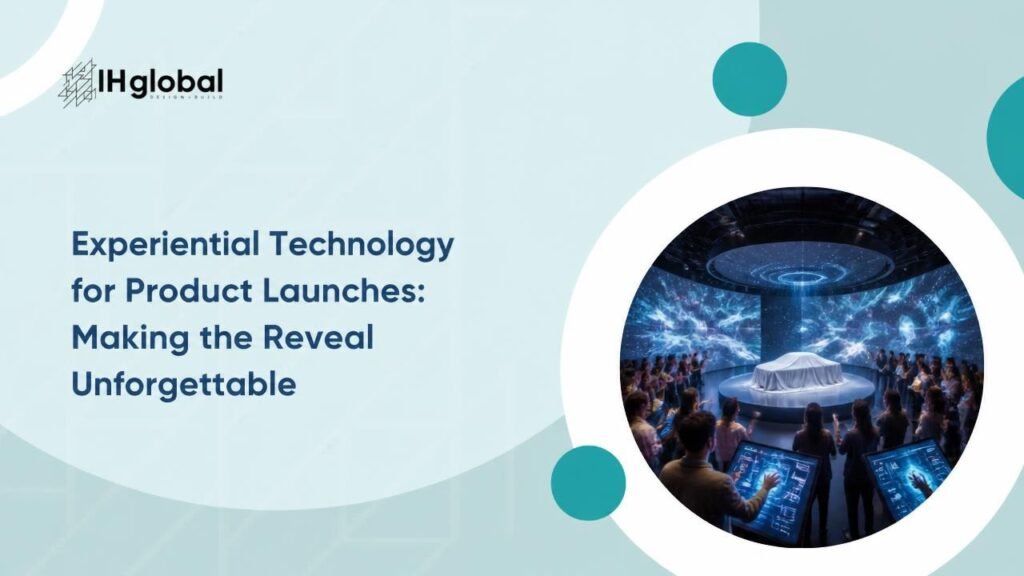
A new product can become the centre of an immersive launch experience using LED content, projection mapping, or holographic visuals.
Timed content can build anticipation before the product reveal and then transition into demonstrations or product information.
B2B Technology Stand
B2B brands often need to explain complicated solutions in a short amount of time. Interactive screens can break complex information into simple visual journeys that visitors can explore during a sales conversation.
This can make an interactive exhibition stand more useful than a display that relies entirely on printed technical information.
Compact Exhibition Booth
Smaller booths do not necessarily need multiple screens or large installations. A single touchscreen, interactive display, or compact holographic element can provide a clear focal point without overwhelming the available space.
The goal is to make limited space more engaging without creating unnecessary technical complexity.
Immersive Brand Experience
Brands with a strong visual identity can combine LED walls, projection, interactive content, or sensors to create a more immersive environment.
The technology should still have a clear purpose: attracting visitors, communicating the brand story, demonstrating a product, or encouraging a specific action.
Conclusion
Experiential technology for exhibitions can help brands compete for attention in crowded show-floor environments. Interactive installations, LED walls, projection mapping, and holographic displays each offer different ways to create engaging visitor experiences.
The most effective approach is not necessarily to use the most technology. It is to select the formats that match the stand, audience, content, and campaign objective, then integrate them into the stand design from the beginning.
Frequently Asked Questions
What experiential technology works best for exhibition stands?
Interactive installations, LED walls, projection mapping, and holographic displays can all work well. The right choice depends on your stand size, audience, content, budget, and campaign objective.
How much should I budget for exhibition stand technology?
Costs vary based on the technology, hardware, content production, installation, venue requirements, and technical support. A clear scope is needed before estimating the total budget.
Can experiential technology be added to an existing exhibition stand design?
Yes. Some technologies can be integrated into an existing stand, although options may be limited by available space, power, structure, and visitor flow.
What technology draws the most foot traffic at exhibitions?
Large-format LED displays, immersive projection, interactive installations, and holographic displays can attract attention from across a show floor. The content and placement also play an important role.
How do I integrate technology into my exhibition stand design from the start?
Start by defining the visitor journey and campaign objective, then select the technology around those requirements. Planning technology alongside the physical stand helps avoid layout, power, content, and installation problems later.