TL;DR
- Corporate experience centre trends 2025 point toward smarter, more personal visitor journeys, where AI, sensors, and simple planning work together to make every visit feel tailored rather than generic and forgettable.
- The future of corporate experience centres blends physical materials with digital layers, known as phygital design, alongside wellbeing focused spaces that keep long client visits comfortable and productive for everyone involved.
- Sustainable CEC design and modular layouts are becoming standard, since brands want spaces that cut waste, save energy, and update easily as products and messaging change year after year.
- Indian manufacturers are adopting many of these ideas early, making CEC trends India 2025 a useful benchmark for any brand planning a new or upgraded experience centre this year.
Introduction
Corporate experience centre trends 2025 are moving fast, and brands that update their space now will stand out from those still running static showrooms. This guide walks through eight trends shaping the future of corporate experience centres, so you can plan a space that stays relevant well past this year.
Why 2025 Is a Pivotal Year for Corporate Experience Centres
Corporate experience centre trends 2025 are shifting quickly because buyer expectations have changed. Visitors now compare your space to the best digital and physical experiences they have seen anywhere, not just other showrooms in your industry.
These shifts are part of wider experience centre design trends reshaping how brands think about visitor spaces overall. Here is what is driving this shift.
- Buyers research online first, so they expect your physical space to match the polish of your website and social media.
- Competitors are already upgrading their showrooms with interactive tools, raising the bar for every brand in the same sector.
- Younger decision makers expect fast, digital first interactions, even inside a traditional B2B meeting.
- Budgets are shifting from one time showroom builds to flexible, updatable spaces that can grow over time.
| The global Professional AV Experience Centers market was valued at $310 million in 2025 and is projected to reach $427.5 million by 2033, expanding at a 4.1% CAGR |
8 Trends Defining the Future of Corporate Experience Centres
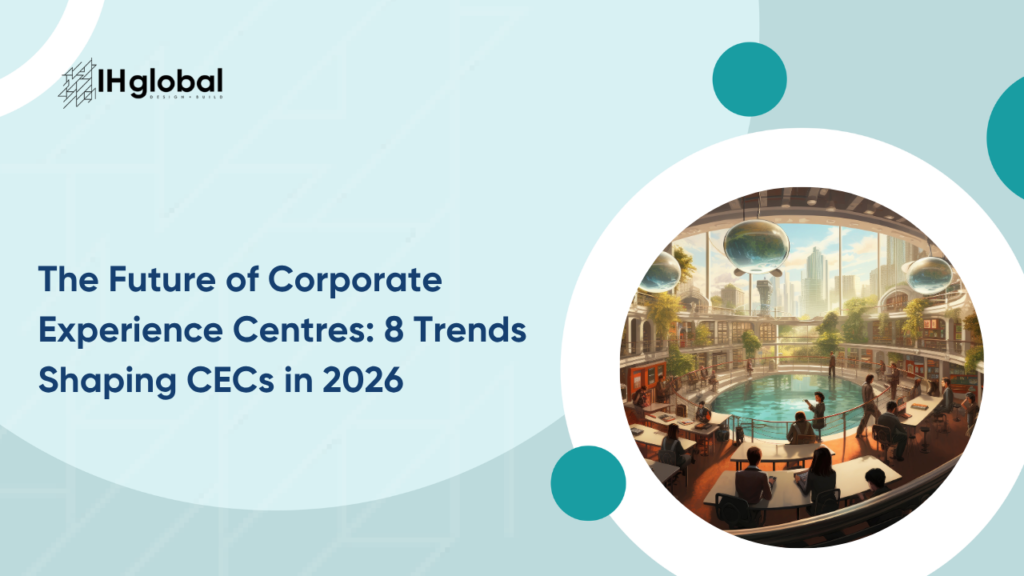
The future of corporate experience centres is being shaped by eight clear trends right now. Below are the trends changing how brands design, build, and run their visitor spaces heading into 2026.
1. AI Personalised Visitor Journeys
AI tools can now greet visitors by name, pull up their company profile, and suggest which zones to visit first based on their industry or past interactions. This turns a generic walk through into a personal journey built around each visitor’s real interest.
Example: A steel manufacturer could use a check in kiosk that recognises a returning buyer and skips straight to updates on the specific product line they ordered last time. This kind of AI in corporate experience centres saves time for both the visitor and the sales team, and it makes each visit feel considered rather than routine.
2. Phygital Hybrid CEC Experiences
Phygital CEC trends mix physical products with digital layers, such as screens, QR codes, or AR overlays, so visitors can touch a real item while learning more through connected digital content.
Example: A machinery brand can place an actual component on a stand next to a screen showing how it performs inside a full assembly line. This blend keeps the visit grounded in something real while still giving access to detailed data and use cases that would be hard to display physically alone.
3. Biophilic and Wellbeing Led Design
More centres are adding plants, natural light, and quiet corners to reduce visitor fatigue during long meetings. This trend reflects a wider shift toward wellbeing in workplace and client facing design.
Example: A pharmaceutical company might design its briefing room with a living green wall and large windows, keeping energy levels steady during multi hour technical discussions. Wellbeing led spaces also signal that a brand cares about people, not just products.
4. Modular and Reconfigurable CEC Zones
Instead of building a fixed showroom, many brands now choose modular walls, movable furniture, and adjustable lighting that can be rearranged for different events. This is a core part of the modular experience centre future, since it lets one space serve many purposes.
Example: A consumer goods brand could use sliding panels to convert its main hall from an open exhibition layout into a seated theatre setup within an hour, without any structural changes.
5. Sustainability Forward CEC Design
Sustainable CEC design is becoming a requirement, not a bonus, as more clients ask about a brand’s environmental practices during visits. This includes energy efficient lighting, recycled materials, and displays that show real sustainability data rather than vague claims.
Example: A packaging company could build its material library using offcuts from its own factory, then add a screen showing exact energy and water savings from its latest process upgrade.
6. Micro CECs for Mid Sized Brands
Not every brand needs a large flagship centre. Many mid sized companies are building smaller, focused micro CECs inside existing offices or regional branches, covering just one or two key products instead of a full catalogue.
Example: A regional auto parts supplier could turn one meeting room into a compact display area with a single hero wall and a small material sample station. This approach fits well within current experience centre design trends, since it proves that impact does not need a huge floor plan.
7. Autonomous AI Guided Visitor Tours
Autonomous guided tours CEC setups use sensors, apps, or small robots to lead visitors through a space without needing a staff member present at every step. This works well for brands with high visitor volume or limited tour staff.
Example: A logistics company could use a tablet based self guided tour that triggers short videos and lighting changes as visitors move from zone to zone, freeing up staff for deeper conversations with serious buyers.
8. Data Driven Real Time Content Updates
Static displays are being replaced with connected screens that pull live data straight from company systems, so information never goes out of date.
Example: An export focused brand could link a wall display directly to its shipment tracking system, showing live figures for orders in transit and countries served that week. This keeps the centre from feeling stale between renovations.
What These Trends Mean for Brands Planning a CEC in 2025
These corporate experience centre trends 2025 are not a checklist you need to complete all at once. Most brands succeed by choosing two or three ideas that match their budget and visitor needs, then adding more over time as results prove out. Before committing to a full renovation, it helps to think through a few practical points.
- Start with the trend that solves your biggest current problem, whether that is outdated content, low visitor engagement, or a space that feels too rigid to update.
- Train your team early, since even the best AI or autonomous tools still need staff who understand how to guide a conversation once technology hands off to a human.
- Set a realistic budget split between new technology and simple upgrades like lighting, materials, and layout, since both matter equally to visitor experience.
- Review your space every twelve to eighteen months, since the future of corporate experience centres will keep shifting as tools become cheaper and visitor expectations rise further.
Many of these practical steps tie into a broader modular experience centre future, where brands avoid one time fixed builds in favour of spaces built to change. Brands that treat their CEC as a living space, rather than a one time project, tend to stay ahead of these trends instead of playing catch up every few years.
| The foundational software layer managing these environments—the Customer Experience Management (CEM) market—is valued at USD 15.78 Billion. It is scaling rapidly to USD 34.02 Billion by 2032 at an aggressive 13.7% CAGR |
Which CEC Trends Are Most Relevant for Indian Brands?
CEC trends India 2025 look a little different from global markets, since many Indian brands balance strong technical buyer expectations with tighter budgets. Below are the trends that matter most for manufacturers, exporters, and B2B brands building or upgrading a centre this year.
| Trend | Relevance for Indian Brands | Why It Matters | Priority |
| AI Personalised Visitor Journeys | High for exporters with global clients | Builds a polished first impression for buyers unfamiliar with the brand | High |
| Modular and Reconfigurable Zones | High for growing manufacturers | Budgets often need one space to serve many uses | High |
| Sustainable CEC Design | Growing fast among export focused brands | Overseas clients increasingly ask about environmental practices | Medium to High |
| Micro CECs | High for mid sized regional brands | Lower cost way to compete with larger flagship centres | Medium |
| Autonomous Guided Tours | Emerging, still early stage | Useful for high visitor volume during trade events and exhibitions | Medium |
Among these, CEC trends India 2025 show that modular design and sustainable CEC design are moving fastest, largely because Indian manufacturers already deal with changing product lines and rising pressure from overseas buyers on environmental standards.
Autonomous tours and heavy AI personalisation are growing too, but many Indian brands are still testing these ideas in smaller pilot zones before a full rollout.
How IH Global Is Already Delivering Future-Ready CECs
Keeping up with corporate experience centre trends 2025 takes more than good ideas. It needs a partner who can turn plans into a working space without long delays or budget surprises. This is where a design and build team like IH Global fits into the picture.
Teams with hands-on experience across lighting, AV integration, and material sourcing can help brands adopt trends like modular zones, phygital displays, and sustainable materials without needing an in-house design department. They also help brands avoid the common mistake of chasing every new trend at once, instead focusing on the two or three ideas that fit a brand’s real visitors and budget.
As the future of corporate experience centres continues to shift toward smarter, more flexible spaces, brands that plan early and build in phases will stay ahead of competitors who wait until their showroom starts to feel outdated. Whether you are exploring a full centre or a smaller micro CEC, the goal remains the same, a space that grows with your brand instead of holding it back.
Frequently Asked Questions
What are the biggest trends in Corporate Experience Centre design in 2025?
The biggest corporate experience centre trends 2025 include AI personalised visitor journeys, phygital displays, modular zones, and sustainable materials. Together, these trends make visits more personal and flexible, replacing static showrooms with spaces that update easily as products and buyer expectations change.
How is AI changing the way Corporate Experience Centres work?
AI in corporate experience centres now personalises visitor journeys, suggesting zones based on a visitor’s industry or past visits. It also powers autonomous guided tours and real time data walls, reducing the need for constant staff supervision while still giving visitors a tailored, informative experience.
What is a phygital Corporate Experience Centre?
A phygital CEC blends real, touchable products with digital layers like screens, QR codes, or AR overlays. Visitors can hold an actual item while learning more through connected digital content nearby. This phygital CEC trend gives buyers both hands on proof and deeper technical detail.
What is a micro-CEC and who should consider building one?
A micro CEC is a small, focused display space, often built inside an existing office, covering just one or two key products instead of a full catalogue. It suits mid sized brands and regional offices that want real impact without the cost of a large flagship centre.
How does sustainability affect CEC design in 2025?
Sustainable CEC design now shapes material choices, lighting, and even the data shown on screens, since more clients ask about environmental practices during visits. Brands are using recycled materials, energy efficient fittings, and live sustainability data walls to prove their claims rather than just stating them.
What is an autonomous guided tour in a Corporate Experience Centre?
Autonomous guided tours CEC setups use apps, sensors, or small robots to lead visitors through a space without a staff member at every step. Screens and lighting respond automatically as visitors move between zones, which works well for brands with high visitor volume or limited tour staff.
How do you keep a Corporate Experience Centre relevant as trends change?
Review your space every twelve to eighteen months, and treat it as a living project rather than a one time build. Choosing modular furniture and updatable digital content makes it easier to adopt new corporate experience centre trends 2025 without a full renovation each time expectations shift.
Which CEC trends are most important for Indian manufacturing brands?
For Indian manufacturers, CEC trends India 2025 point toward modular zones and sustainable CEC design as top priorities, since budgets often need one space to serve many uses while meeting rising environmental expectations from overseas buyers. Micro CECs are also gaining ground among mid-sized brands.