TL;DR
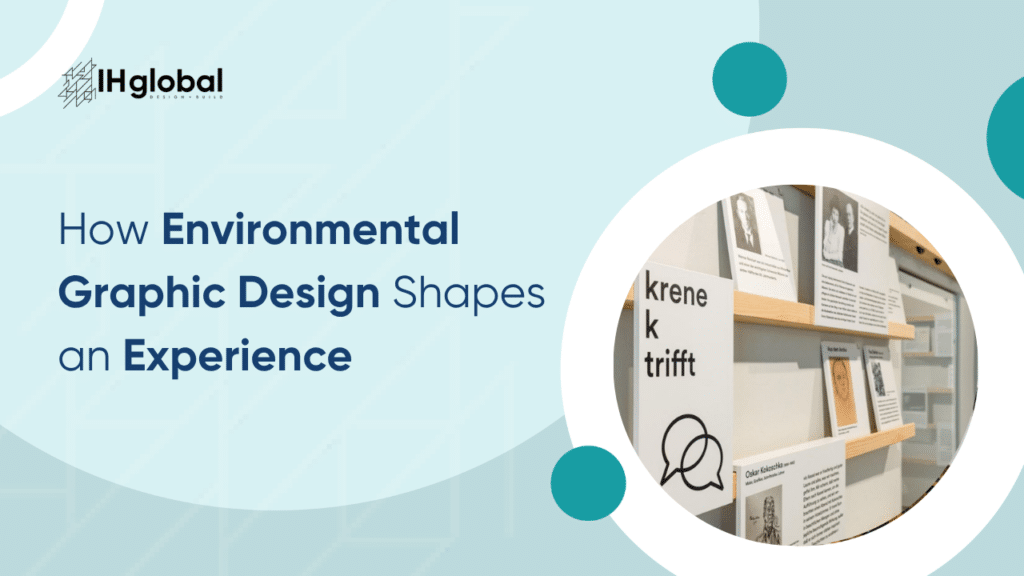
- Environmental Graphic Design (EGD) blends architecture, typography, colour, and technology to transform physical spaces into intuitive, emotionally resonant brand environments.• From corporate offices and customer experience centres to trade show floors, strategic EGD shapes visitor journeys, strengthens brand identity, and drives measurable business outcomes.
Have you ever walked into a massive building and instantly known exactly where to go — or felt an immediate sense of comfort and belonging?
That seamless connection is the magic of Environmental Graphic Design (EGD). Far more than just signs on a wall, EGD masterfully blends architecture and visuals to transform physical spaces into intuitive, emotionally resonant landscapes.
Research published in the E3S Conferences Journal on Environmental Graphic Design in Urban Spaces confirms that EGD actively “humanises” our built environments. By using typography, colour, and imagery, EGD subtly guides our footsteps, sparks emotion, and profoundly shapes how we experience the world around us.
What is Environmental Graphic Design (EGD)?
At its core, Environmental Graphic Design (also known as Experiential Graphic Design) is a multidisciplinary practice that merges graphic design, architecture, interior styling, and industrial engineering.
Rather than looking at a building as a shell of plain concrete walls, EGD treats the entire environment as a canvas. When executed properly, environmental graphic design shapes an experience by bridging the gap between people and the places they inhabit — creating spaces that feel purposeful, navigable, and deeply connected to the brand or institution they represent.
How Environmental Graphic Design Shapes an Experience: 3 Core Pillars
To truly appreciate the impact of spatial design, we must look at the practical ways it alters our day-to-day interactions. Environmental graphic design shapes an experience across three primary dimensions:
1. Wayfinding and Navigation
Wayfinding is the most functional aspect of EGD. It answers the fundamental human questions: Where am I? Where am I going? How do I get back?
Excellent wayfinding design goes far beyond sticking “Exit” signs on a door. It weaves directions directly into the local architecture using colour-coded floors, recognisable symbols, and strategic lighting — ensuring that navigation feels effortless and natural rather than stressful or confusing.
2. Telling a Story via Experiential Environmental Graphics
Spaces should make you feel something. Incorporating thoughtfully placed experiential environmental graphics gives designers the freedom to showcase a company’s history, values, or overarching vision.
Instead of walking past blank walls, visitors can explore a beautifully curated timeline, a textured mural, or interactive art installations that cultivate a strong emotional connection with the brand. This is especially powerful in corporate headquarters, customer experience centres, and flagship retail environments.
3. Strengthening Brand Identity
For businesses, physical offices and retail stores are crucial brand touchpoints. By investing in an intentional environmental branding experience, companies ensure their physical space aligns seamlessly with their digital presence and marketing communications.
To understand why this continuity matters, it helps to explore the intersection of branding vs marketing — where physical design choices act as a silent ambassador for an organisation’s unique culture and core philosophy.
The Elements That Shape Visitor Journeys
To create truly immersive environments, designers carefully balance several critical components:
- Typography: The scale, font choice, and legibility of lettering dictate whether a message feels formal, playful, or futuristic.
- Materiality and Texture: Using sustainable wood, sleek acrylics, industrial metals, or digital LED screens changes how luxurious or approachable a space feels.
- Lighting Integration: Light directs the human eye, shifts mood, and highlights vital safety or directional markers.
- Digital Interactivity: Incorporating touchscreens or augmented reality (AR) elements turns passive spectators into active participants.
Designing for Impact: From Corporate Offices to Trade Shows
The versatility of EGD is one of its greatest strengths. In a corporate office, it can boost employee morale and foster collaboration. At its most ambitious, it transforms entire floors into immersive brand journeys — exemplified in how leading brands create world-class experience centres that deeply engage clients, partners, and employees.
In public sectors like healthcare, EGD eases patient anxiety by making complex hospital wings highly legible and visually soothing — reducing stress for patients, families, and staff simultaneously.
The same principles apply perfectly to temporary spaces. Think about a high-stakes trade show floor — thousands of people moving through chaotic, crowded aisles. A brand has mere seconds to stand out, which is why having an experienced exhibit partner who understands how spatial layout drives engagement is so critical.
On a busy trade show floor, customised environmental graphics for customer experience become a brand’s greatest competitive asset. The structural configuration of your stand amplifies — or limits — the reach of your graphics:
| Trade Show Spatial Configuration | Impact on Environmental Graphics Effectiveness |
| 2-Side Open Layout | Expands lines of sight from two directions; pulls foot traffic in naturally; increases brand visibility across two aisles simultaneously |
| 3-Side Open Layout | Maximises corner-lot visibility; creates seamless multi-angle entry points; ideal for high-traffic locations at major exhibitions |
| + Experiential EGD Elements | Transforms simple architecture into an immersive brand story; increases dwell time; dramatically improves recall and lead quality |
Understanding how environmental graphic design shapes an experience allows businesses to maximise even compact configurations. Implementing an open layout such as a 3 side open exhibition stall design maximises corner visibility on the trade show floor.
By pairing this structural freedom with high-impact experiential graphic design, a brand can stand out even at the largest venues featured among the top exhibition grounds in India.
Real-World Inspiration: EGD in Action
Look at global benchmarks to see how environmental graphic design shapes an experience at scale:
- The Googleplex: Google’s corporate spaces use vibrant, playful wayfinding and custom installations that directly mirror their innovative, people-first culture — making even their campuses feel like an extension of their brand promise.
- Major Transit Hubs (Changi Airport, Singapore): These environments rely on hyper-legible, universally understood symbology and natural installations to keep millions of international travellers moving calmly — without language barriers being an obstacle.
When applied to commercial setups, relying on cohesive branded environment design ensures that every physical element — from the reception desk to the meeting room graphics — feels entirely unified and intentional.
Conclusion
Ultimately, spaces are never neutral. They either actively help us feel connected and guided, or they leave us feeling disconnected and confused. Environmental graphic design shapes an experience by taking the friction out of navigation and replacing it with storytelling, beauty, and purpose.
Ready to transform your physical space into an immersive brand journey? Connect with the experts at IH Global to explore how tailored spatial graphic solutions can elevate your next visitor experience — whether it is a corporate office, a customer experience centre, or a trade show booth.
FAQs
How does environmental graphic design enhance customer experience?
Environmental graphics simplify complex environments, lower navigation stress, and tell a compelling visual story. When customers find a space intuitive and visually engaging, their dwell time, brand trust, and overall satisfaction increase significantly — translating directly into stronger business relationships and repeat visits.
What is environmental graphic design and its impact on user perception?
Environmental graphic design combines graphic design, architecture, and interior design to communicate information within physical spaces. Its impact on perception is immediate — it dictates how professional, welcoming, safe, or innovative a place feels to a visitor from the very first moment they enter.
What companies specialise in environmental graphic design for corporate offices in India?
IH Global specialises in end-to-end environmental graphic design and installation for corporate offices, experience centres, and trade show environments across India and internationally. Globally, firms like NBBJ and RSM Design are also known for large-scale spatial graphics and branding installations. Explore IH Global’s exhibition booth building India services for large-scale permanent and temporary installations.
How do experiential graphics enhance customer journeys?
Experiential graphics transform passive walking paths into interactive stories. By engaging multiple senses through texture, scale, lighting, and digital elements, they create memorable emotional touchpoints that guide customers effortlessly through a space and strengthen brand affinity over time.
What are the key elements of environmental graphic design that shape visitor experiences?
The core elements include clear typography, strategic colour palettes, intuitive wayfinding symbols, distinct architectural materials, integrated lighting, and modern interactive digital displays. For creative inspiration on how to bring these elements together effectively, explore 10 best exhibition stall design ideas.