TL;DR
- Immersive technology in education uses VR, AR, and MR to make learning more interactive, visual, and easier to understand for students across all age groups and subjects.
- Schools and universities are using immersive learning technology to improve engagement, memory retention, and real-world skill development through practical digital experiences.
- Tools like VR in education and AR in the classroom help students explore complex topics like science, history, and medicine in a simple and engaging way.
- The future of immersive education will focus on personalized learning, better training outcomes, and wider adoption of AR VR MR in schools worldwide.
Introduction
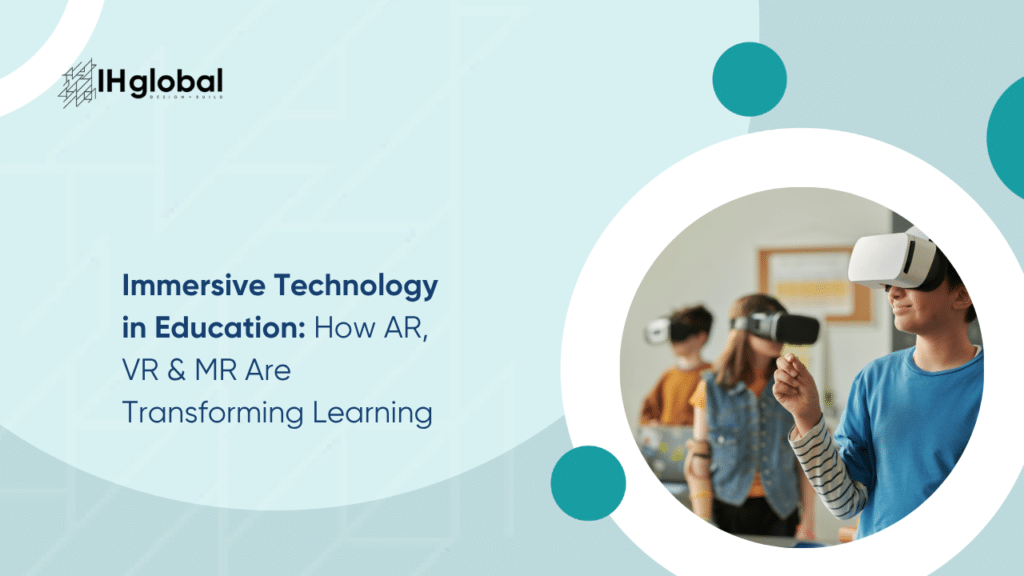
Immersive technology in education is changing how students learn in classrooms and online spaces. It uses VR, AR, and MR to make learning more interactive and easy to understand. Students can now see and experience lessons instead of only reading or listening.
This shift is important because modern learners understand better through visuals and real experiences. It also helps teachers explain difficult topics in a simple way. Many schools and universities are already adopting immersive learning technology to improve results and engagement.
In this blog, we will explore how immersive tools are transforming education, their benefits, real examples, and future impact on global learning systems.
Why Immersive Technology Is Transforming Education
Immersive technology is changing education because it helps students learn in a more visual and interactive way. Instead of only reading books, students can now see and experience lessons using VR, AR, and MR tools. This makes learning easier to understand.
It also helps students stay more focused and interested in their studies. Complex topics become simple when shown in 3D or real-like environments. Teachers can explain lessons in a better and clearer way using digital tools.
In simple terms, immersive technology makes learning feel like real experience instead of just theory.
Below are the main reasons why it is transforming education:
- Students understand topics faster with visual learning tools like VR and AR
- Learning becomes more engaging and less boring for school and college students
- Complex subjects like science and history become easier to explore in 3D
- Students can practice real-life skills safely using virtual simulations
- Teachers can explain difficult topics in a simple and interactive way
- It improves memory and helps students remember lessons for longer time
- It supports different learning styles like visual, practical, and interactive learning
Types of Immersive Technology Used in Education
Education uses different types of immersive tools to improve learning experiences. The most common are Virtual Reality, Augmented Reality, and Mixed Reality. Each one offers a different way of making lessons more interactive and engaging.
Below are the main types used in schools and training programs.
Virtual Reality (VR) in Education
Virtual Reality in education lets students enter a fully digital learning world using VR headsets. In this virtual space, they can explore lessons, objects, and environments in 3D instead of only reading from books. This makes learning more visual, simple, and easy to understand for students of all ages.
It helps students learn subjects like science, history, and geography in a more interactive way. They can experience real-like situations, which improves focus and makes difficult topics easier to remember and understand in a clear way.
Augmented Reality (AR) in the Classroom
Augmented Reality in classrooms adds digital images and 3D models to the real world using phones or tablets. Students can see planets, human organs, or machines directly on their desks, which makes learning more visual and interesting.
This helps turn difficult subjects into simple and clear learning experiences. Students can interact with digital objects in real time, which improves understanding and keeps them more focused during lessons.
Mixed Reality (MR) for Advanced Training
Mixed Reality in education combines real and digital worlds so students can interact with both at the same time. It is used in advanced training areas like engineering, science, and medical studies where practical learning is important.
Students can work with real objects while also seeing digital information and instructions. This helps them understand complex systems in a more practical and guided way during training.
MR improves hands-on experience, problem-solving ability, and confidence. It makes advanced learning more real, interactive, and effective for students preparing for professional careers.
Key Benefits of Immersive Technology in Education
Immersive technology in education helps students learn in a more simple, visual, and engaging way. It uses VR, AR, and MR to turn normal lessons into interactive experiences. This makes it easier for students to understand difficult topics and stay more focused during learning.
Here are the key benefits of immersive technology in education:
- It makes learning more engaging and fun for students of all ages
- It helps students understand complex topics through 3D visuals and simulations
- It improves memory retention by giving real-like learning experiences
- It allows safe practice of real-world skills using virtual environments
- It supports different learning styles like visual, practical, and interactive learning
- It increases student participation and reduces classroom boredom
- It helps teachers explain difficult subjects in a simpler and clearer way
Overall, immersive technology is making education more effective and student-friendly. It turns learning into an active experience instead of passive studying, helping students build stronger understanding and better long-term knowledge.
Real-World Examples of Immersive Tech in Education
Immersive technology is now used in many real classrooms and training centers. It helps students learn better by showing lessons in a visual and interactive way. Instead of only reading books, students can see and experience things in 3D.
This makes learning easier to understand and more interesting. Schools, colleges, and training institutes use VR, AR, and MR to improve how students study and practice skills.
Below are some real-world examples of immersive technology in education:
- VR in Medical Training
VR is used to train medical students in a safe virtual space. They can practice surgeries and study the human body in 3D. This helps them learn without risk and improves their confidence before working with real patients. - AR in Classroom Science Learning
AR allows students to see 3D models of science topics like planets, cells, and organs on their desks. This makes learning more visual and helps students understand complex ideas in a simple way. - VR History Learning Experiences
Students can use VR to explore ancient places, monuments, and historical events. It feels like they are walking through history, which makes lessons more interesting and easier to remember. - Mixed Reality Engineering Practice
MR is used in engineering training where students can interact with real tools and digital models together. This helps them understand machines and systems in a practical and hands-on way. - Virtual Field Trips for Students
Schools use VR to take students on virtual trips to museums, oceans, forests, and space. This helps students explore places they cannot visit in real life. - Immersive Language Learning
Students can practice new languages in VR environments by talking with virtual characters. This helps improve speaking skills and builds confidence in real conversations.
Overall, these examples show that immersive technology is making education more fun, clear, and practical. It helps students learn faster and understand subjects in a deeper way through real-like experiences.
Challenges of Adopting Immersive Tech in Schools
Adopting immersive technology in schools is a big step that can improve learning, but it also comes with several challenges. Many schools face difficulties in using VR, AR, and MR tools because they need special equipment, training, and proper digital setup.
Even though this technology makes learning better, not every school can easily use it. Cost, lack of training, and technical issues often slow down its adoption. Students and teachers may also need time to adjust to these new learning methods.
Below are some key challenges schools face:
- High cost of equipment
VR headsets, AR devices, and software tools can be expensive. Many schools, especially in rural or low-budget areas, cannot afford these technologies easily. - Need for teacher training
Teachers must learn how to use immersive tools properly. Without training, it becomes difficult for them to include VR and AR in daily lessons effectively. - Technical issues and maintenance
Immersive systems require strong internet, updated software, and regular maintenance. Technical problems can interrupt learning and reduce classroom efficiency. - Limited digital infrastructure
Some schools do not have proper computer labs or devices needed for immersive learning. This creates a gap between advanced and under-resourced schools. - Student adjustment period
Students may take time to get used to VR or AR-based learning. It can feel new and confusing at first, especially for younger learners. - Health and usage concerns
Long use of VR headsets can cause eye strain or discomfort for some students. Schools need to manage usage time carefully to avoid issues.
Overall, these challenges show that while immersive technology has strong benefits, schools need proper planning, funding, and training to use it effectively in education.
The Future of Immersive Learning
The future of immersive learning is very promising because schools will use more VR, AR, and MR tools to make education easier and more interactive. Students will learn by experiencing lessons in virtual environments instead of only reading textbooks, making learning more practical and engaging.
In the coming years, classrooms will become more digital and smart. Students will be able to explore science labs, historical places, and real-life simulations from anywhere. This will help improve understanding, creativity, and learning speed across all subjects.
Immersive learning will make education more fun, simple, and connected to real life for every student, helping them learn in a better and more natural way.
Immersive Tech for Corporate Training and Education
Immersive technology is also changing how companies train employees and how professionals learn new skills. Businesses now use VR, AR, and MR to create real-like training environments where people can practice tasks safely and clearly. This makes learning faster, easier, and more effective for workers in different industries.
Companies use virtual simulations to train employees in areas like safety, customer service, engineering, and medical work. Instead of reading manuals, employees can experience real situations in a controlled digital space. This improves confidence and reduces mistakes in real job roles.
Immersive learning is becoming an important part of modern education and corporate training. It helps bridge the gap between theory and real-world practice. Platforms and solution providers like IHGlobal are also supporting this shift by helping organizations adopt immersive learning in a simple and practical way for better results.
It helps companies train people better and faster, making learning more practical, real, and easy to apply in daily work situations.
FAQs
How is immersive technology used in education?
Immersive technology in education is used through VR, AR, and MR tools to create interactive learning experiences. Students can explore 3D environments, practice real-life tasks, and understand complex subjects easily. It improves engagement, learning speed, and knowledge retention in classrooms and training centers.
What are the benefits of VR in education?
Benefits of VR in education include better engagement, improved understanding, and safe practice environments. Students can experience real-life situations without risk. It helps make learning more visual and interactive, which improves memory retention and supports different learning styles in schools and universities.
How does AR improve learning in the classroom?
AR improves learning in the classroom by adding digital content to real-world objects. Students can see 3D models of science topics, geography maps, or historical events. This makes lessons more interactive, easier to understand, and more engaging for students of all ages.
What is an example of Mixed Reality in education?
Mixed Reality in education is used when students interact with both real and digital objects at the same time. For example, medical students can study 3D anatomy models in real classroom settings. This helps improve hands-on learning and practical understanding of complex subjects.
Does immersive technology improve student engagement and retention?
Yes, immersive technology improves student engagement and retention by making learning more visual and interactive. Students are more involved in lessons and remember information better because they experience it instead of just reading or listening. This leads to better academic performance overall.
What are the challenges of using VR and AR in schools?
Challenges include high costs of devices, lack of technical infrastructure, and limited teacher training. Schools may also face issues with internet speed and maintenance. Despite this, many institutions are slowly adopting immersive technology due to its strong educational benefits.
What is the difference between immersive learning and e-learning?
Immersive learning uses VR, AR, and MR to create interactive experiences, while e-learning mainly uses videos and digital content. Immersive learning is more hands-on and engaging, helping students experience lessons in 3D environments rather than just watching or reading materials.
How much does immersive technology for education cost?
The cost of immersive technology varies based on tools and systems used. Basic AR apps are affordable, but VR headsets and advanced systems can be expensive. However, costs are decreasing, making it more accessible for schools and training institutions over time.
Can immersive technology be used for corporate training as well?
Yes, immersive technology is widely used in corporate training. Companies use VR and AR to train employees in real-life job situations safely. It improves skill development, reduces risk, and increases efficiency in industries like healthcare, manufacturing, and customer service.