In today’s experience-driven market, people want to see, touch, test, and understand what your brand actually does. That is exactly where Experiential Technology changes the game.
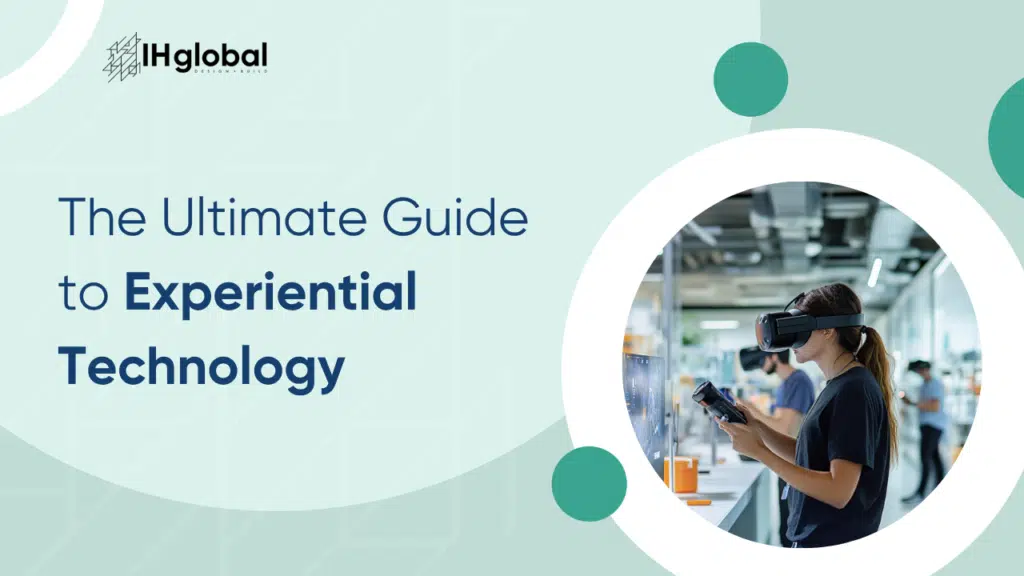
At its core, Experiential Technology is about using digital tools to make brand interactions more immersive, responsive, and meaningful. That can include touchscreens, AR and VR experiences, interactive displays, motion-triggered content, smart lighting, and sensor-led storytelling.
That shift is happening at the right time. PwC’s 2025 Customer Experience Survey found that 52% of consumers stopped buying from a brand because of a bad product or service experience. At the same time, Grand View Research estimates the global immersive marketing market at USD 6.90 billion in 2024, with strong growth projected through 2030.
The broader VR market is also expanding rapidly, reflecting how brands are investing more heavily in immersive formats.
TL;DR/Summary
Experiential Technology helps brands move beyond static displays and create spaces that people can explore, understand, and remember. From customer experience centers to trade shows, it turns interaction into a stronger tool for storytelling, engagement, and business impact.
In this blog, you’ll learn:
- How Experiential Technology improves brand spaces
- Where brands use it across different environments
- How IH Global supports immersive brand experiences
What is Experiential Technology and Why Does It Matter?
To understand experiential technology meaning, think of it as the meeting point between physical space, digital interaction, and brand storytelling. It helps people experience value instead of just reading about it. That is why Experiential Technology has become increasingly important in showrooms, corporate brand spaces, exhibitions, museums, and customer briefing centers.
A good Experiential Technology setup does three things well. First, it attracts attention. Second, it keeps visitors engaged for longer. Third, it helps them understand the brand, product, or message in a more intuitive way. This is especially useful for businesses selling complex products, technical systems, or high-consideration solutions.
The strongest environments also balance emotion with clarity. Screens alone do not create impact. Story flow, 3D exhibition stall design, content sequencing, layout planning, and physical comfort matter just as much. That is why many brands now evaluate experiential technology companies not just on hardware, but on their ability to build complete visitor journeys.
What Makes Experiential Technology Work in Real Spaces?
Not every flashy installation delivers results. For Experiential Technology to work, it has to support a clear purpose. In most successful spaces, that purpose usually falls into one or more of these areas:
1. Interactive Product Understanding
Visitors do not always want a sales pitch first. Sometimes they want to explore independently. Interactive kiosks, digital catalogs, touchscreen comparisons, guided demo screens, and layered content displays help users learn at their own pace. This is one reason why Experiential Technology is now central to product demo centers and experience-led retail environments.
2. Immersive Storytelling
Projection, responsive media walls, 2 or 3-side open stall designs, AR overlays, and synchronized AV systems can turn a plain space into a story-led environment. This is where experiential marketing technology becomes especially powerful. It helps brands communicate not just features, but context, application, and emotional value.
3. Personalization and Participation
The best Experiential Technology does not feel one-way. It responds. It adapts to audience actions, interests, or movement. That sense of participation increases attention and memory. It also makes the interaction feel more relevant.
4. Better Flow in Events and Trade Shows
At exhibitions, brands often have only a few seconds to capture attention. Experiential Technology can help structure the visitor journey with digital welcome points, interactive trade show booths, AV-led explainers, lead capture systems, and guided conversation areas. This is where practical experiential tech supports both footfall and conversion.
Where Brands Are Using Experiential Technology Today
The use cases for Experiential Technology are expanding quickly because the format is highly flexible. It works across temporary event spaces as well as permanent branded environments.
- Customer Experience Centers
In customer experience centers, Experiential Technology helps brands present innovation in a more structured, immersive, and memorable way. It allows visitors to engage with the brand story instead of only observing it passively.
- Product Demo Facilities
In product demo spaces, Experiential Technology helps visitors see products in action and understand features, use cases, and benefits more clearly. This makes product communication more practical and persuasive.
- Corporate Interiors
For corporate interior branding, Experiential Technology can strengthen identity through digital touchpoints, interactive displays, and integrated storytelling zones. It helps the physical space reflect the brand more actively.
- Trade Shows and Exhibitions
At global trade show booths, Experiential Technology improves booth visibility, visitor dwell time, and engagement. It helps brands create more interactive experiences instead of relying only on static displays or printed communication.
The Rise of the Experiential Technology Innovation Centre
This is also why the idea of an experiential technology innovation centre has gained relevance. Brands increasingly want dedicated spaces where innovation can be demonstrated, not just described.
A well-planned experiential technology innovation centre can support:
- Sales meetings
- Investor walkthroughs
- Client onboarding
- Dealer education
- Product launches
Even from a market perspective, this direction is clear. Recent industry research shows strong growth in immersive marketing and VR-led brand experiences. That signals that experiential marketing technology is becoming a more serious business investment, rather than a one-off campaign add-on.
How IH Global Helps
IH Global supports brands across a wide range of experience-led spaces, including:
- Customer experience centers that help brands tell their story in a more immersive and structured way
- Product demo centers where visitors can see, test, and understand products more clearly
- Exhibition stall designs that combine physical impact with interactive engagement
- Corporate interior branding that brings brand identity into everyday business spaces
- Immersive visitor environments built around participation, storytelling, and recall
In trade show settings, IH Global creates stalls that bring together visual impact, interactive touchpoints, and functional communication, helping brands attract attention while also supporting meaningful engagement.
Final Word
The real value of Experiential Technology is not in the screens, sensors, or software alone. It is in what those tools make possible. Better storytelling. Stronger recall. More confident buyers.
As audience expectations continue to rise, brands need spaces that invite participation. Whether you are planning a customer experience center, a product demo environment, an experiential technology innovation centre, or a trade show presence, the right strategy can turn your space into a stronger business asset.
When done well, Experiential Technology helps your brand feel more human, more memorable, and more convincing.
FAQs
What are the leading companies providing experiential technology solutions?
Leading providers are usually those that combine design, digital integration, and execution. Brands often prefer partners like IH Global that can build customer experience centers, demo spaces, and exhibition environments instead of supplying technology alone.
What are the top experiential technology products for virtual reality experiences?
Popular options include VR headsets, motion sensors, haptic devices, immersive audio systems, projection mapping tools, and interactive content platforms. The best choice depends on whether your goal is product simulation, storytelling, training, or visitor engagement.
How do I choose an experiential technology provider for brand activations?
Look for a provider that understands both technology and visitor behavior. Check whether they can handle concept development, spatial planning, content flow, execution, and post-installation support within your timeline and budget.
Which experiential technology brands offer turnkey solutions for events?
Turnkey providers are those that can manage design, fabrication, installation, branding, and interactive integration together. IH Global is a strong option for brands that want event environments, stall design, and immersive technology managed under one roof.
How to book experiential technology services for trade shows?
Start by defining your booth goals, target audience, product focus, and budget. Then choose a partner like IH Global that can plan the stall layout, visitor journey, branded communication, and interactive technology requirements end to end.