Customer experience has become a major business priority across industries. It influences how buyers perceive your brand, how quickly they trust you, and whether they stay engaged after the first interaction.
A strong Customer experience can simplify complexity, support faster decision-making, and make your brand more memorable in physical and digital spaces alike.
Recent research makes the business case clear. PwC’s 2025 Customer Experience Survey found that 52% of consumers stopped buying from a brand after a bad product or service experience, while 29% walked away because of poor customer experience online or in person. Zendesk’s 2025 CX Trends Report also says that CX trendsetters see 33% higher customer acquisition, 22% higher retention, and 49% higher cross-sell revenue.
TL;DR/Summary
Customer experience is the overall impression your brand creates across every touchpoint. A strong strategy makes interactions clearer, more relevant, and more memorable, helping businesses build trust, improve engagement, and turn branded spaces into stronger tools for communication and conversion.
In this blog, you’ll learn:
- What customer experience really means
- Why it matters for business growth
- How brands can improve it through strategy and space design
What Is Customer Experience and Why Does It Matter?
Customer experience is the total impression your brand creates through every interaction. That includes discovery, inquiry, purchase, onboarding, support, product use, and even follow-up communication.
A strong Customer experience matters because it shapes business outcomes. It can improve trust, reduce friction, strengthen loyalty, and influence referrals. In B2B settings, it can also accelerate time-to-value and create stronger confidence among multiple stakeholders. Adobe notes that seamless B2B experiences can encourage adoption, build internal champions, and unlock cross-sell or upsell opportunities.
This is where customer experience strategy becomes important.
Strategies That Improve Customer Experience
A practical customer experience strategy is built around relevance, ease, and consistency. It should help people move from curiosity to confidence without unnecessary friction.
1. Make Every Touchpoint Clear
Clear signage, simple navigation, intuitive layouts, guided product communication, and strong visual storytelling all improve Customer experience. In physical environments or outdoor trade show booths, this is especially important in experience centers, demo spaces, and exhibition stalls.
2. Use Technology to Reduce Friction
This is where customer experience technology adds real value. Interactive screens, guided digital displays, AV-based storytelling, 3D exhibition stall design, QR-led engagement, and responsive environments can help visitors understand information faster and engage more deeply.
3. Balance Automation With Human Support
Customer experience automation can streamline repetitive tasks, improve follow-up speed, and make the journey more efficient. But automation works best when it supports, rather than replaces, thoughtful human interaction. Schneider Electric’s 2025 CX trends perspective highlights this balance clearly: the future of CX lies in blending AI-driven efficiency with human empathy.
4. Personalize the Experience
Buyers increasingly expect interactions to feel relevant. IBM’s 2025 CX trends insights point to hyper-personalized interactions, proactive engagement, and omnichannel integration as major priorities. In physical spaces, personalization can appear through customized demos, role-based content journeys, or layouts designed around specific visitor types.
5. Design for the Full Journey
One of the most effective customer experience examples is a journey that feels connected from start to finish. A visitor may first see your brand at a trade show, then visit your website, then attend a product walkthrough, and later enter a customer experience center. If they feel aligned, the brand becomes easier to trust.
Customer Experience Examples Across Branded Spaces
The best customer experience examples are often the ones that make complex communication feel effortless.
Customer Experience Centers
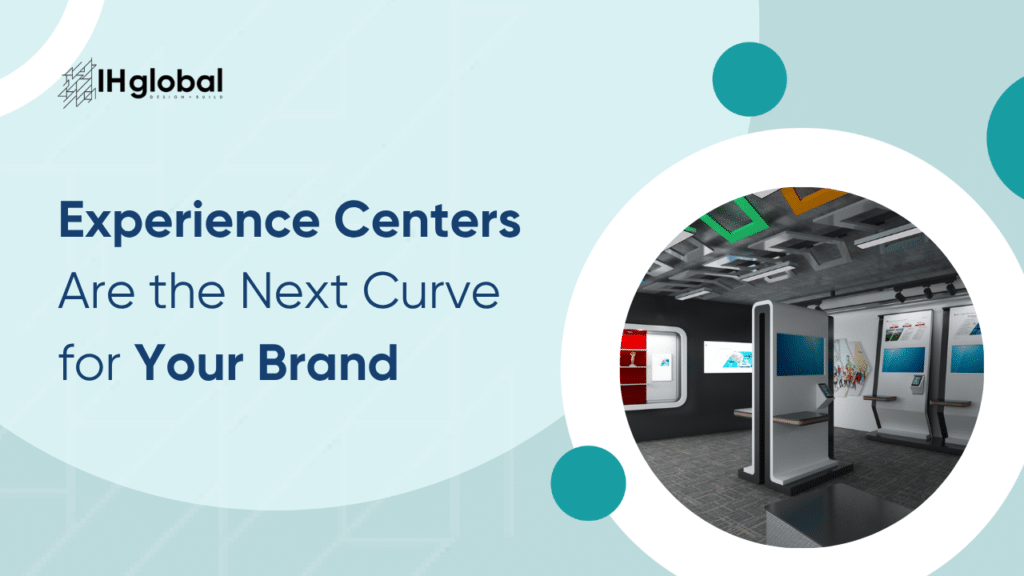
A well-planned center gives buyers a structured way to explore the brand, understand use cases, and engage with products in a more immersive setting. These environments can support sales presentations, client onboarding, investor meetings, and partner engagement. They also create more control over storytelling than a standard meeting room or static display.
Product Demo Spaces
Product demo centers improve Customer experience by allowing visitors to see solutions in action. This is particularly useful for technical, high-value, or process-driven offerings where explanation alone may not be enough.
Corporate Interiors
Corporate interior branding can also influence Customer experience. A thoughtfully designed interior helps reinforce identity, improve visitor perception, and create a stronger sense of professionalism and brand intent.
Trade Shows and Exhibition Stalls
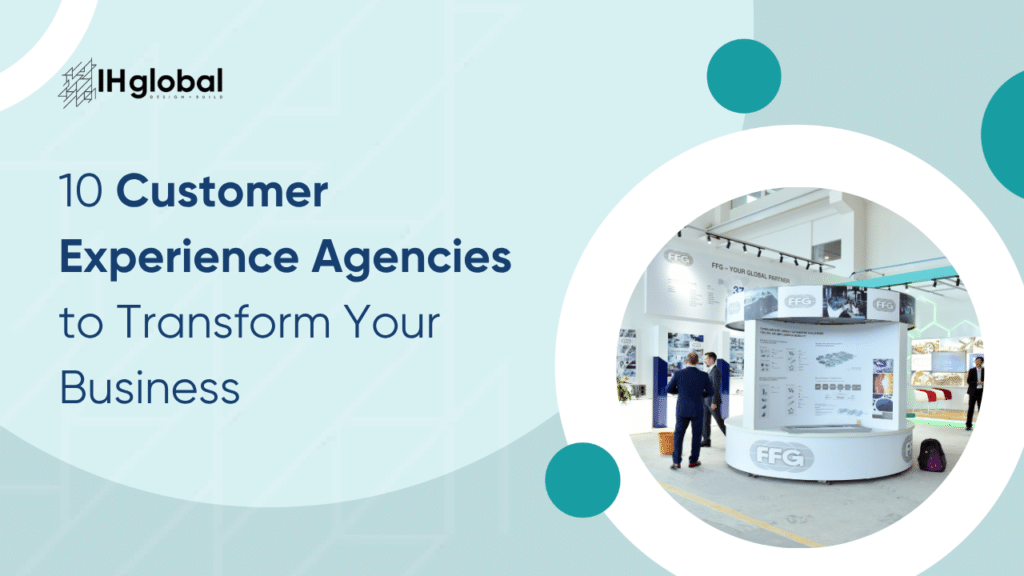
In event environments, first impressions happen fast. Well-designed stalls that combine visitor flow, product visibility, interactive technology, and clear messaging can improve dwell time and engagement. This is where customer experience technology becomes especially useful, supporting trade show booth ideas like screens, digital interfaces, and guided interaction.
How IH Global Helps
This is where IH Global adds real value. We approach Customer experience as part of a larger branded environment, not as an isolated design task.
IH Global supports businesses through:
- Customer experience centers that structure brand storytelling and product understanding
- Product demo centers that help visitors interact with offerings firsthand
- Exhibition stall design that improves visibility, engagement, and movement flow
- Corporate interior branding that reinforces identity within physical environments
- Immersive brand spaces that combine communication, participation, and recall
This matters because modern businesses are not just looking for attractive spaces. They are looking for environments that support sales conversations, product understanding, and brand differentiation. IH Global helps bridge that gap by aligning design, technology, and execution into one coherent experience-led approach.
Final Word
A thoughtful customer experience strategy helps businesses move beyond transactional interactions and create journeys that feel clear, relevant, and memorable.
As expectations continue to rise, brands need more than messages. Whether through customer experience automation, better customer experience technology, or immersive physical spaces, the goal remains the same: create experiences people remember for the right reasons.
FAQs
What are the key components of a strong customer experience strategy?
A strong strategy includes clear touchpoints, consistent messaging, responsive service, useful technology, personalization, and a well-connected journey. It should reduce friction while making every interaction feel relevant, easy to understand, and aligned with the brand promise.
How to improve customer experience?
Start by identifying friction across the journey. Improve clarity, simplify interactions, use technology where it adds value, train teams for consistency, and design spaces that help customers understand products, services, and brand value more naturally.
What are the customer experience trends shaping B2B industry?
Key trends include hyper-personalization, proactive engagement, AI-supported service, connected omnichannel journeys, and immersive physical brand spaces. B2B companies are also investing more in experience centers and demo-led environments to support complex buying decisions.
What companies offer personalized customer experience solutions?
Businesses often look for partners that can combine design, branding, technology, and execution. IH Global is a strong option for brands that want experience centers, product demos, and branded spatial environments built around more personalized engagement.
How to implement a customer experience strategy?
Begin with journey mapping and customer pain points. Then align your messaging, service processes, technology, and physical touchpoints around those needs. The most effective strategies are practical, measurable, and consistent across both digital and in-person interactions.